Mini Vibration Plate for Workouts: Benefits, Uses, and Buying Tips
Small enough to slide under a sofa yet noticeable enough to change how a short training session feels, the mini vibration plate has earned attention among home exercisers, office workers, and beginners who want movement without bulky gear. Its appeal lies in speed, simplicity, and variety, because it can be used for balance drills, bodyweight exercises, warm-ups, and low-effort activity breaks. That practical mix makes it more than a trend piece. In the sections below, you will find a clear outline, realistic benefits, workout ideas, comparisons, and smart buying tips.
Outline of the Article
This article is organized to help readers move from curiosity to confident decision-making. First, it explains what a mini vibration plate is and how it works, including the types of motion and the role of vibration in exercise. Next, it looks at the main benefits people seek, while also addressing realistic limitations so expectations stay grounded. After that, it explores practical ways to use a mini vibration plate for workouts, from warm-ups to short strength sessions.
The later sections compare mini vibration plates with larger machines and other compact fitness tools, which is useful if you are deciding where to spend limited money or floor space. Finally, the article covers buying tips, safety checks, and a focused conclusion for home users, beginners, and busy adults.
- What a mini vibration plate is
- How it supports workouts
- Benefits and limitations
- Sample exercise uses
- Comparisons with other equipment
- Buying and safety advice
What a Mini Vibration Plate Is and How It Works
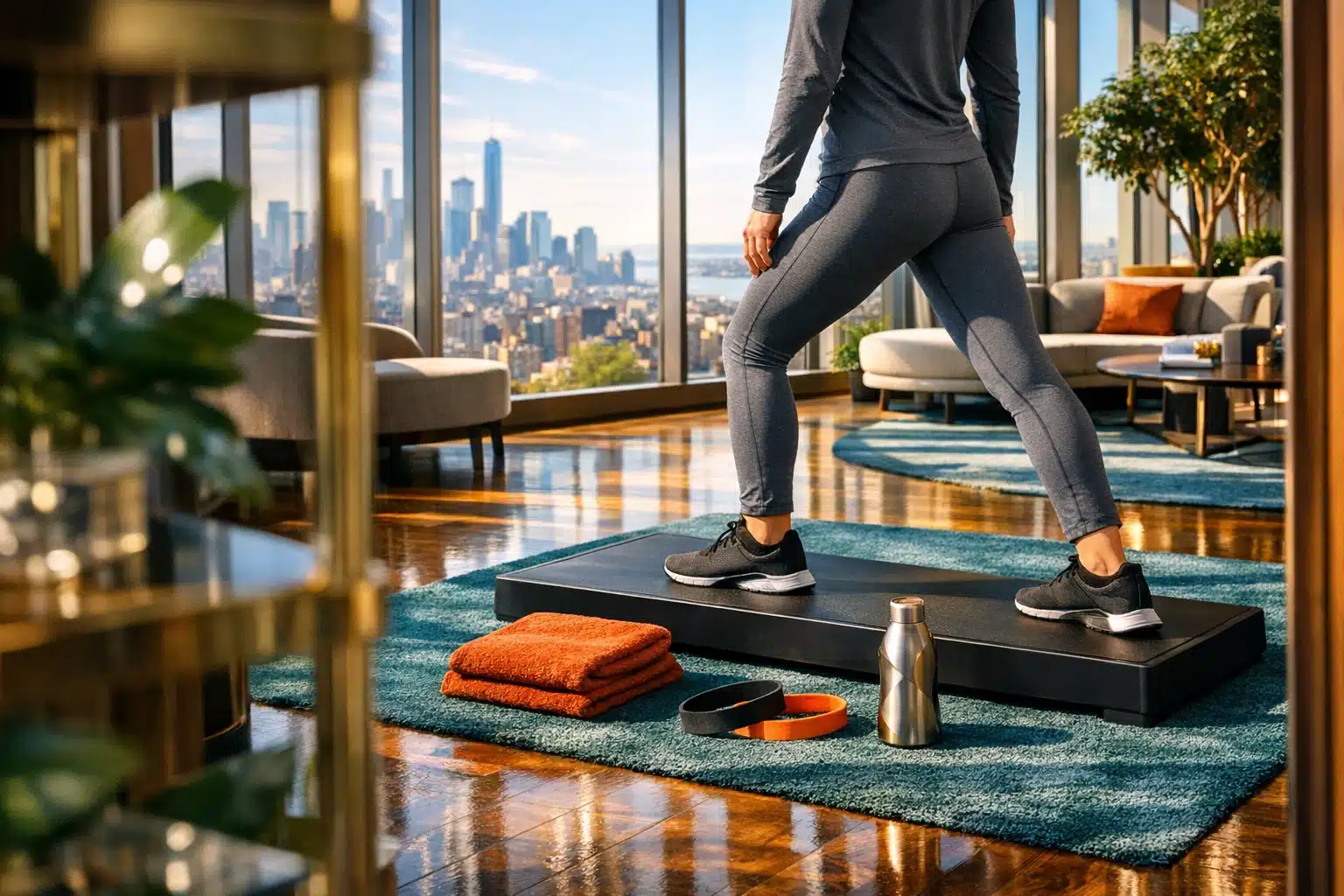
A mini vibration plate is a compact exercise platform powered by a motor that creates rapid movement under your feet or hands. Unlike a treadmill, it does not rely on long strides or sustained cardio. Instead, it introduces vibration while you stand, squat, lunge, hold a plank, or perform other bodyweight movements. The idea is simple: when the platform moves, your body responds with quick muscular adjustments to help maintain posture and balance. Those repeated corrections can make familiar exercises feel more challenging, even when the movement itself looks small from the outside.
Most mini models are designed for home use. They are smaller than commercial whole-body vibration platforms and usually fit in apartments, bedrooms, or office corners. Many weigh far less than a full-size exercise machine, and some have carrying handles, remotes, or preset programs. A typical buyer is not building a professional gym; they are trying to make use of limited space, spare minutes, and practical routines.
There are a few motion styles commonly seen on the market:
- Oscillating or pivotal plates, where one side rises as the other lowers, creating a see-saw effect
- Linear plates, where the platform moves mostly up and down
- Hybrid or multi-motion models that combine more than one pattern
These differences matter because they change how the body experiences the movement. Oscillating plates are often marketed for general home exercise and balance-focused use. Linear plates may feel more direct and brisk. Some brands also advertise frequency ranges, usually described in hertz, and amplitude, which refers to how far the platform moves. Consumer models vary widely, so a higher number on paper is not automatically better. A well-built motor, stable platform, and sensible controls often matter more than flashy claims.
From a workout perspective, the plate is not doing the exercise for you. If you simply stand still, the session may feel active, but the training effect is usually modest compared with purposeful movement. The device becomes more useful when paired with positions such as half squats, calf raises, push-up holds, glute bridges, or split stances. In other words, the plate is best thought of as a training surface that changes the stimulus rather than a magic machine.
Research on whole-body vibration shows mixed but interesting results. Some studies suggest it may support balance, lower-body muscle activation, mobility, or exercise adherence in certain groups, especially when used alongside regular training. However, results vary based on frequency, amplitude, session length, and the individual using it. That is why the smartest approach is to view a mini vibration plate as a useful tool within a broader routine, not as a replacement for walking, strength training, or healthy daily movement.
Benefits of a Mini Vibration Plate for Workouts, With Realistic Limits
The biggest strength of a mini vibration plate is convenience. It lowers the barrier to starting. You do not need a dedicated training room, a rack of weights, or a long block of time. For people who struggle most with consistency, that matters. A compact plate can sit within reach and turn a five-minute gap into a warm-up, a posture break, or a short lower-body session. Fitness often grows from repeatable habits, and convenience is one of the few features that genuinely improves follow-through.
Another practical benefit is variety. Bodyweight movements can feel stale when repeated in the same way every week. Add a moving surface, and suddenly a static hold demands more attention. A shallow squat becomes a balance challenge. A calf raise asks for cleaner foot pressure. A forearm plank feels less sleepy and more alive. This can make short workouts more engaging, especially for people who get bored easily with standard home routines.
Users often appreciate mini vibration plates for these reasons:
- They are easy to store in small homes or apartments
- They can make brief sessions feel more purposeful
- They can be used for warm-ups, balance work, and low-impact training
- They may help some users stay active during long sedentary days
There is also a possible role in mobility and circulation-oriented routines, especially after long periods of sitting. Some people enjoy using the plate before a workout to feel more awake, or after a session as part of a cool-down sequence. Still, this is where realism matters. A mini vibration plate is not a direct substitute for progressive resistance training, nor is it a guaranteed solution for weight loss. Simply standing on a plate for a few minutes does not produce the same energy demand as brisk walking, cycling, or a structured strength circuit.
This is where marketing often runs ahead of evidence. Claims about rapid body transformation, effortless fat burning, or dramatic muscle gain should be viewed carefully. Whole-body vibration can add challenge, but the effect depends on how you use it. Good posture, bent knees, active engagement, and thoughtful exercise selection make a difference. Passive use alone is limited.
There are also important restrictions. Not everyone should jump onto one just because the machine looks friendly. People with recent injuries, certain joint problems, implanted medical devices, pregnancy, or specific medical conditions should check with a qualified health professional before use. The machine can also be noisy on hard floors, and lower-cost models may feel unstable at higher settings.
In practical terms, the mini vibration plate offers value when used like seasoning, not the whole meal. It can freshen up a routine, support adherence, and add a unique training feel. What it cannot do is erase the need for walking, strength work, sleep, nutrition, and consistent habits. Used with that mindset, it becomes far more useful and far less disappointing.
How to Use a Mini Vibration Plate in Real Workouts
If the device stays in the corner, it is just a very expensive footrest. The value appears when you build it into actual routines. The good news is that a mini vibration plate works best with simple, familiar exercises rather than fancy choreography. Beginners can start with short sessions and stable positions, while more experienced users can use it to increase demand during holds, pulses, and controlled bodyweight movements.
A strong starting rule is this: let posture lead the session. Keep your knees soft rather than locked, brace your midsection lightly, and begin on a low setting. Once you understand how the vibration feels, you can gradually test longer sets or more challenging positions. Fast progression is not the goal. Control is.
Here are common ways to use a mini vibration plate for workouts:
-
Warm-up use: Stand in an athletic stance for a short interval, then move into bodyweight squats, calf raises, or marching steps. This can make the body feel more alert before training.
-
Balance and stability work: Try split stances, single-leg-supported toe taps, or shallow holds while keeping one foot grounded and one lightly active.
-
Strength support: Use the plate during squat holds, glute bridges with feet on the platform, incline push-up holds with hands on the plate, or forearm planks.
-
Movement breaks: After a long desk session, use a brief routine with standing posture resets, calf raises, and easy quarter squats.
A simple beginner session might look like this:
- 30 to 45 seconds standing with relaxed knees
- 30 seconds shallow squats
- 30 seconds calf raises
- 30 seconds split stance on each side
- 20 to 30 seconds incline push-up hold with hands on the plate
- Repeat for 2 to 3 rounds with short rests
For people who already train, the mini plate can work as a finisher. Imagine ending a lower-body day with squat holds, alternating lunges beside the plate, and calf raise pulses. The machine adds a subtle hum under the effort, like a quiet extra layer of difficulty. It is not cinematic, but it is effective enough to keep your focus honest.
Technique matters more than duration. Many home users assume longer is always better, but a shaky ten-minute session is usually less useful than a precise four-minute one. Quality positions, moderate settings, and full attention tend to produce the best experience. Footwear also changes the feel. Some prefer trainers for stability, while others like barefoot use on non-slip surfaces for better awareness. Either way, safety and grip come first.
The mini vibration plate is especially helpful for people who need training to feel accessible. A short, repeatable setup can encourage regular movement on busy days. That may be its most underrated workout benefit: not intensity alone, but the way it can turn “I do not have time” into “I can start now.”
Mini Vibration Plate vs Full-Size Machines and Other Compact Fitness Tools
Buying fitness equipment often feels like choosing between cousins with very different personalities. One is compact and practical, one is powerful and expensive, and one promises to fold neatly beside the laundry basket. The mini vibration plate sits firmly in the practical camp. To know whether it deserves a place in your routine, it helps to compare it with both full-size vibration platforms and other small-space exercise options.
Compared with a full-size vibration machine, the mini model usually wins on portability, storage, and price. That makes it easier for beginners or casual home users to justify. It also tends to be less intimidating. You can pull it out, finish a quick set, and put it away in minutes. However, the smaller size creates trade-offs. The platform offers less room for wide stances and dynamic movement, and budget models may have weaker motors or fewer stable speed settings. If you want a broader exercise surface, more advanced training options, or a more robust feel, a larger plate may be worth considering.
Now compare it with other compact fitness tools:
-
Resistance bands: usually cheaper, lighter, and better for progressive pulling and pressing movements. Bands provide more direct strength training options, but they do not offer the balance challenge or standing vibration stimulus.
-
Walking pads: better for low-intensity daily movement and step count goals. They usually take up more floor space and cost more, but they are stronger choices if your main aim is walking volume.
-
Steppers: useful for getting the heart rate up in a small area. They can be repetitive and place a different kind of stress on the legs than a vibration plate.
-
Foam rollers and mobility tools: better for recovery and tissue work, but they are not workout platforms in the same sense.
So where does the mini vibration plate fit best? It sits between recovery gear and exercise equipment. It is not purely passive, yet it is not a complete gym replacement either. It works well for people who want one device that can support warm-ups, low-impact training, stability work, and movement snacks during the day.
It is less ideal for users whose main goals are serious muscle gain, athletic conditioning, or long cardio sessions. In those cases, dumbbells, kettlebells, resistance bands, or a walking routine usually offer more obvious returns. Still, the mini plate can complement those tools. For example, someone might use bands for strength, walking for general activity, and the vibration plate for warm-ups and shorter balance sessions.
In simple terms, the mini vibration plate is most useful when space is limited, time is scattered, and the buyer values versatility over specialization. It is not the king of every category. It is the adaptable neighbor that shows up quietly, does several jobs well, and fits where larger machines simply cannot.
Buying Tips, Safety Checks, and Smart Expectations Before You Choose
Shopping for a mini vibration plate can be oddly confusing because product listings often throw big numbers, dramatic claims, and polished photos at you all at once. The better strategy is to ignore the noise and focus on build quality, usability, and fit for your goals. A plate that works smoothly in your home and matches your routine will almost always outperform a flashy model that promises everything and delivers little.
Start with the platform itself. Size matters more than many buyers expect. If the surface is too small for your stance, exercise options shrink fast. Check the dimensions and imagine where your feet or hands will go during squats, calf raises, planks, or split stances. Weight capacity matters too, not as a marketing badge, but as a sign of structural confidence. A sturdy frame usually feels better under load and tends to be more stable over time.
Key features worth checking include:
- Motor quality and overall stability
- Platform size and non-slip surface
- Clear speed controls and readable display
- Remote control or easy-access buttons
- Noise level, especially for apartment use
- Warranty length and customer support
- Realistic user reviews that mention long-term use
Do not get trapped by huge speed counts alone. More levels do not automatically mean better training. In many cases, a model with fewer well-tuned settings is more useful than one with dozens of barely distinguishable steps. The same goes for preset programs. They can be convenient, but they are not essential if manual control is simple and reliable.
Safety is just as important as features. Set the plate on a flat, stable surface, ideally with a protective mat if your floor is hard or if noise is a concern. Start with short sessions at low intensity. Keep your knees slightly bent when standing, and avoid locking your joints. If a position feels unstable, change the movement rather than forcing it. A compact plate should make exercise more accessible, not more reckless.
It is also wise to think about who the plate is really for. The best buyers are often:
- Home users with limited space
- Beginners who prefer short, approachable sessions
- People who want a versatile tool for warm-ups and balance work
- Desk workers looking for structured movement breaks
The least satisfied buyers are often those expecting effortless body transformation from passive use alone. A mini vibration plate can support a routine, but it cannot replace effort, consistency, or common sense. Go in with clear expectations, and the purchase is much more likely to feel worthwhile.
Conclusion for Home Exercisers and Busy Beginners
If you want a compact piece of equipment that can add variety to bodyweight training, support short movement breaks, and fit into a small home, a mini vibration plate can be a sensible choice. Its strongest advantage is not mystery or hype; it is usability. You can set it up quickly, pair it with simple exercises, and keep sessions short enough to repeat throughout the week.
For beginners, the best approach is to start low, move with control, and treat the plate as one tool among many. For experienced users, it can act as a useful extra layer for warm-ups, stability work, and finishers. Either way, the smartest purchase comes from matching the machine to your habits, your space, and your expectations. When used with purpose, a mini vibration plate can earn its place in a real workout routine instead of becoming another forgotten gadget under the bed.