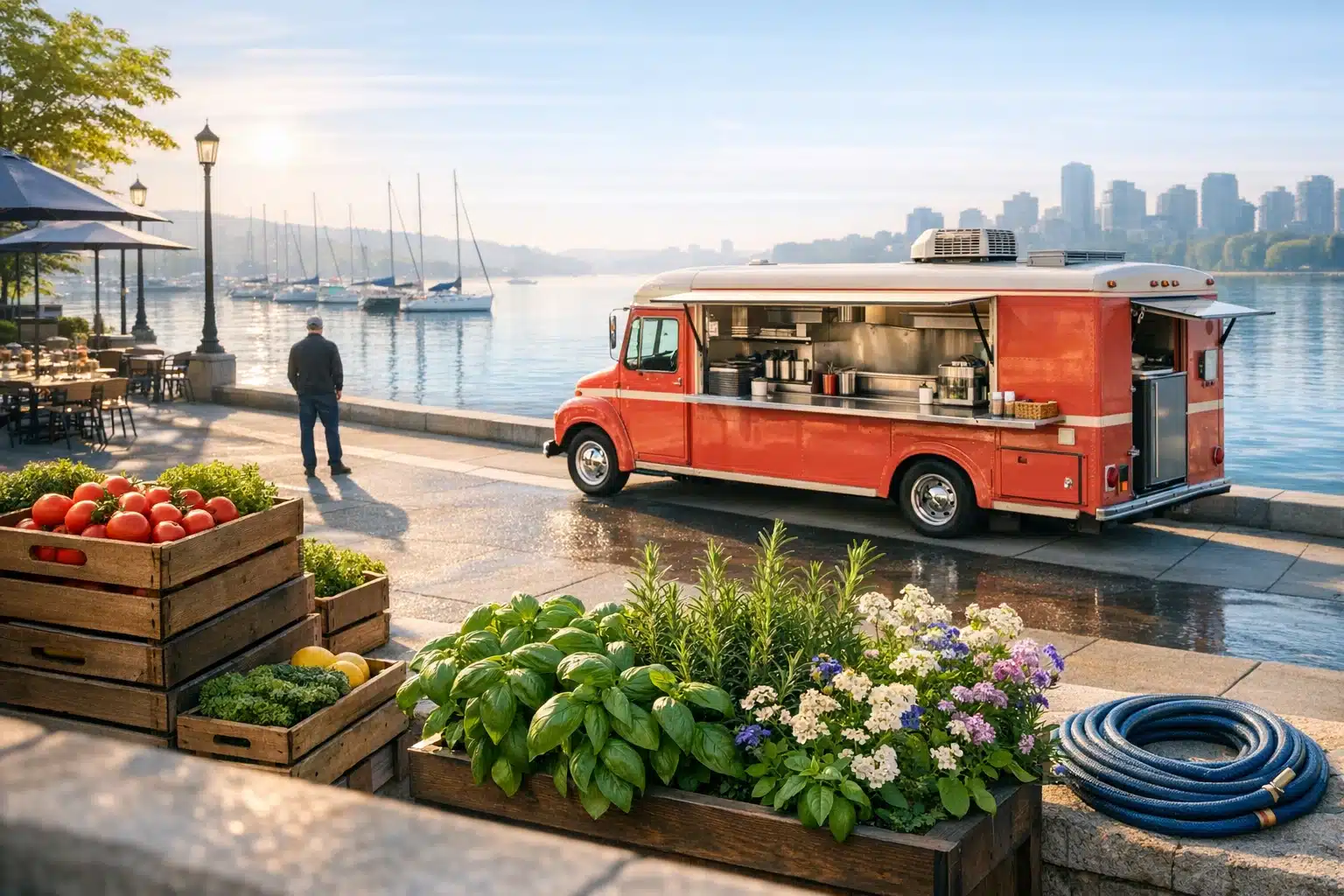
Rent-to-Own Food Trucks: Options, Costs, and What to Know
Buying a food truck outright can drain cash before the first taco, coffee, or burger is sold. Rent-to-own arrangements offer a middle path, letting operators launch sooner while spreading the purchase cost over time. That sounds attractive, yet the fine print can shape margins, maintenance duties, flexibility, and even whether the truck becomes yours. This guide explains the core structures, common expenses, contract risks, and practical comparison points so you can judge a deal with clear eyes.
Outline
- How rent-to-own food trucks work and why the structure matters
- The main rent-to-own options and how they compare with loans and leases
- Typical costs, monthly budgeting, and real-world pricing examples
- Contract clauses, inspections, and due diligence before signing
- Who rent-to-own fits best and a buyer-focused conclusion
How Rent-to-Own Food Trucks Work
Rent-to-own food trucks sit somewhere between a regular rental and a traditional financed purchase. Instead of paying the full price upfront, the operator makes scheduled payments for a fixed period, and part or all of those payments may count toward ownership. At the end of the term, the buyer may receive title automatically, pay a final buyout amount, or exercise an option to purchase. That sounds straightforward on paper, but in practice the details vary widely from seller to seller.
Some arrangements are offered by dealerships that specialize in commercial vehicles. Others come from custom truck builders, private sellers, restaurant groups, or finance companies that serve small businesses. In one model, the truck is technically leased until the final payment clears. In another, the seller acts like a lender and transfers title only after the balance is paid. A third version uses a lower monthly payment with a larger balloon payment at the end. Each structure affects risk, cash flow, and negotiating power.
The biggest thing to understand is that the phrase rent-to-own has no single legal meaning. One agreement may behave like a lease-purchase contract, while another is closer to seller financing. That difference matters because it changes questions such as who handles major repairs, who carries insurance, whether mileage limits apply, and what happens if the operator misses a payment. A glossy listing can make the truck look like freedom on wheels, but ownership is created by paperwork, not by stainless steel and clever branding.
Before signing, buyers should learn exactly how the program treats the following points:
- Whether monthly payments build equity or function mostly as rent
- When title transfers and whether there is a buyout amount
- Who is responsible for engine, generator, refrigeration, and kitchen repairs
- Whether the truck must stay within a territory or approved route area
- How default, repossession, and late fees are handled
It is also important to remember that owning the truck is only one part of operating legally. The vehicle must still meet local health department rules, fire suppression standards, propane requirements, parking rules, and commissary obligations. A rent-to-own contract does not automatically make a truck compliant in your city. A unit built for one county may need changes in another. For that reason, any buyer comparing options should evaluate the business model and the compliance path at the same time. The agreement should help you start serving customers, not trap you in a machine that cannot pass inspection where you plan to work.
Rent-to-Own Options for Food Trucks and How They Compare
Not all rent-to-own food truck options are created for the same kind of buyer. A first-time operator with limited credit may be drawn to a dealer that advertises fast approval and lower upfront cash. A restaurant owner expanding into events may prefer a custom builder with a structured purchase plan. An experienced caterer might get a better deal through a private seller willing to spread payments across a shorter term. The best choice depends on how quickly you need the truck, how much customization you require, and how much financial flexibility you can maintain after launch.
One common option is a dealership-based lease-purchase program. These deals are often easier to find because specialized truck dealers market them directly to food entrepreneurs. The advantage is convenience. The truck may already be outfitted with core equipment, and the seller may understand business-use paperwork. The downside is that convenience can come with higher total cost, stricter repossession language, or limited room to negotiate individual terms.
A second route is seller financing from a private owner or small builder. This can work well when the buyer and seller have aligned expectations and the truck has a clear service history. Private arrangements sometimes offer more flexible negotiation on down payment, term length, and buyout structure. However, they can also be riskier if documents are weak, title status is unclear, or the seller is unfamiliar with commercial sales compliance.
A third path involves equipment finance companies or commercial lenders that structure the transaction as a lease or loan rather than marketing it as rent-to-own. Functionally, these products may accomplish the same goal: lower upfront cash and predictable payments. Buyers should compare all of them side by side rather than getting attached to the label.
Here is a practical comparison checklist:
-
Dealer rent-to-own: fast access, easier sourcing, but sometimes higher overall pricing
-
Private seller financing: flexible negotiation, but requires stronger due diligence
-
Commercial loan: often lower long-term cost for qualified borrowers, though approval may be stricter
-
True lease: lower initial payment in some cases, but ownership may not be the main outcome
-
Custom builder payment plan: useful for tailored layouts, but delivery timelines can be longer
There is also the question of used versus new. A used truck can reduce the financed amount, which helps monthly cash flow, but it may bring hidden repair costs and code issues. A new truck can be built around your exact menu, workflow, and local compliance rules, yet it usually comes with a much higher price. For some operators, a used truck with verified maintenance records is the sweet spot. For others, especially concepts with heavy kitchen needs, starting new prevents expensive retrofits later.
The key is to compare options by total economic reality, not just the sales pitch. If one offer has lower monthly payments but a big end-of-term buyout, it may cost more overall than a slightly higher monthly plan. If another claims no credit hurdles, the tradeoff may be steeper fees or tougher default penalties. Good decisions begin when the buyer looks past the phrase and studies the structure underneath it.
Costs, Budgeting, and What a Rent-to-Own Food Truck May Really Cost
The sticker price of a food truck is only the first number in a much longer story. In broad terms, a used food truck may fall anywhere from roughly 40,000 dollars to 120,000 dollars or more, while a new custom-built unit often starts higher and can exceed 200,000 dollars depending on size, cooking equipment, generator capacity, refrigeration, fire suppression, and exterior build quality. Trailers can sometimes reduce the entry price, but they create their own towing and setup considerations. Rent-to-own does not eliminate these costs; it redistributes them across time.
Most programs require some form of upfront payment. That may be called a down payment, option fee, security deposit, first month payment, or a combination of those items. In many cases, buyers can expect an initial cash requirement somewhere in the range of 10 percent to 25 percent of the truck price, although actual terms vary by seller, credit profile, and vehicle condition. A lower upfront amount may feel appealing, yet it often leads to higher monthly payments or a larger buyout later.
Then come the recurring expenses that sit outside the truck payment itself. These can surprise first-time operators more than the vehicle cost:
- Commercial auto and general liability insurance
- Commissary or shared kitchen fees
- Fuel, propane, and generator servicing
- Routine maintenance for chassis and kitchen equipment
- Local permits, parking permissions, and inspection fees
- Point-of-sale systems, internet access, and payment processing
- Branding, wraps, menu boards, and smallwares
Consider a simple example. Imagine a used truck priced at 65,000 dollars. If a program asks for 15 percent down, that is 9,750 dollars upfront, leaving 55,250 dollars to be paid over time. If the effective financing cost and term produce a monthly payment in the neighborhood of 1,400 to 1,600 dollars over 48 months, the buyer still needs enough operating cash for food inventory, payroll, insurance, and slow days. That monthly truck payment may be only one line on the ledger, not the main one.
A more robust budgeting approach includes three separate buckets. The first is acquisition cash, which covers the down payment and any delivery, inspection, or legal review charges. The second is launch capital, which includes permits, branding, initial inventory, and marketing. The third is working capital, meaning enough cash to absorb repairs, seasonal slumps, weather disruptions, and event cancellations. This is where many new operators get squeezed. The truck may be affordable on paper, but the business becomes fragile if one generator problem or transmission issue wipes out the reserve.
Stress-test any proposal before signing. Ask yourself how the payment feels in a weak month, not a perfect one. Run numbers for three sales levels: optimistic, expected, and conservative. If the deal only works when every lunch rush is packed and every festival is profitable, the payment structure may be too aggressive. A truck can be the engine of a business, but cash flow is the fuel. Without enough of it, even a smart concept can stall at the curb.
Contracts, Inspections, and Due Diligence Before You Commit
A rent-to-own food truck agreement should be reviewed with the same seriousness as any other commercial purchase, because once problems appear, the combination of vehicle issues and contract obligations can become expensive fast. The right truck is not simply the one with polished counters and a bright wrap. It is the one with a documented legal status, workable kitchen layout, predictable maintenance profile, and terms that you can realistically satisfy.
Start with the truck itself. The chassis matters just as much as the fryer or espresso machine. A vehicle inspection by a qualified mechanic can reveal transmission wear, frame damage, suspension issues, brake problems, or electrical trouble that a visual walkaround will not catch. If the truck has a generator, refrigeration units, propane system, hood, or fire suppression equipment, those should also be evaluated by technicians familiar with commercial mobile kitchens. Hours on a generator, age of refrigeration seals, and the condition of wiring are not glamorous topics, but they affect reliability every day on the road.
Next comes title and ownership verification. Confirm the VIN, check whether liens exist, and make sure the seller has the legal right to transfer the unit. If the truck was rebuilt, salvaged, or heavily modified, ask for documentation. A unit that looks ready for service may still face insurance difficulties or local permit delays if its paperwork is incomplete.
Read the contract closely for these clauses:
- Whether payments are refundable or nonrefundable
- The exact formula for ownership transfer
- Early payoff rights and any prepayment penalties
- Responsibility for maintenance, tires, engine work, and kitchen equipment failures
- Insurance minimums and who must be named on the policy
- Late fees, default triggers, cure periods, and repossession rules
- Limits on mileage, travel distance, or use type
One especially important point is compliance. Ask whether the truck was built to NSF-related equipment expectations, local fire code requirements, and health department standards in the area where you will operate. A seller may truthfully say the truck passed inspection somewhere else, but that does not guarantee approval in your county. Ventilation, handwashing sinks, water capacity, gray water ratios, and fire suppression details can differ by jurisdiction.
It also helps to request a full equipment list in writing. If the deal mentions a generator, fridge, flat-top, or POS equipment, those items should be identified clearly. Verbal promises are weak protection once money changes hands. If repairs are needed before delivery, set deadlines and standards for completion. If the truck is sold as is, understand precisely what that means.
Red flags deserve respect. Be cautious if the seller refuses an inspection, pushes for immediate payment, avoids title questions, cannot provide maintenance history, or uses vague language about the final purchase amount. In the food truck world, optimism is useful, but blind optimism is costly. A careful review may feel slow when you are eager to launch, yet it is often the step that protects your menu, your budget, and your sanity.
Is Rent-to-Own Right for You? A Buyer-Focused Conclusion
Rent-to-own can make real sense for certain operators. It may suit a chef leaving a restaurant job, a caterer moving into daily street service, or a small brand testing a mobile version of its menu without draining all available capital on day one. It can also help buyers who are capable operators but do not fit the strict profile of a bank borrower. For these people, the appeal is simple: get the truck, keep more cash for launch, and build the business while paying over time.
Still, this model is not automatically the smartest choice. If you qualify for a lower-cost commercial loan, direct financing may produce a better long-term result. If the truck you want is unusually old or heavily customized, rent-to-own may hide repair risk behind a convenient monthly number. If the contract is unclear about default, buyout, or maintenance obligations, the arrangement can become more restrictive than expected. In short, rent-to-own works best when it solves a timing problem without creating a much bigger financial one.
For most readers, a practical decision framework looks like this:
- Define the menu, service style, and kitchen capacity you actually need
- Verify local health, fire, parking, and commissary requirements before shopping
- Compare at least three paths: rent-to-own, loan, and direct purchase of a used unit
- Budget for working capital instead of focusing only on the truck payment
- Inspect the vehicle and review the agreement before handing over funds
There is also a strategic question worth asking: are you buying mobility, or are you buying a business system? The truck matters, but route planning, event access, labor control, food cost management, and branding usually matter more once service begins. A beautiful unit with a poor payment structure can strain the business. A modest but reliable truck with sensible terms can create room to learn, adjust, and grow.
For first-time food truck entrepreneurs, the best rent-to-own deal is rarely the flashiest listing. It is the one that matches your market, your cash reserves, and your operational reality. If the contract is transparent, the truck is compliant, the monthly number fits a conservative forecast, and the ownership path is clearly defined, rent-to-own can be a workable entry into mobile food service. If any of those pieces are missing, keep looking. The goal is not merely to get a truck parked outside your first event. The goal is to build a business that can still roll forward after the excitement of opening day has passed.