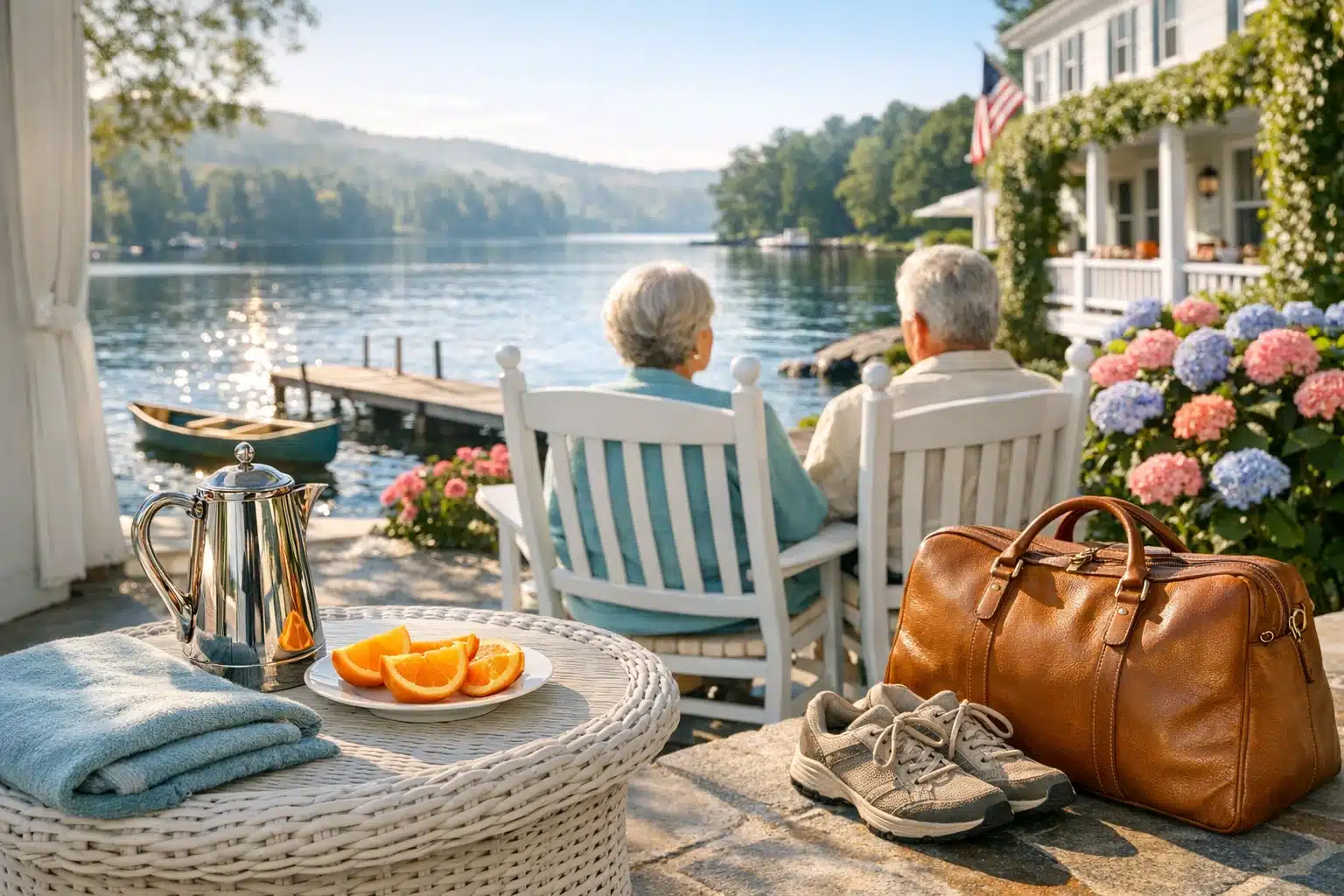
A Practical Guide to Weekend Trips for Seniors
Weekend travel can give seniors more than a pleasant break; it can restore routine, awaken curiosity, and add fresh detail to everyday life. A short trip is often easier on the budget, body, and calendar than a long vacation, yet it still offers the thrill of somewhere new. This guide shows how to pick the right destination, move around comfortably, stay prepared, and enjoy a getaway paced for real life rather than a brochure.
Article outline:
- How to choose a destination based on distance, mobility, interests, and season.
- How to compare transportation options for comfort, cost, and convenience.
- How to select accommodation, pack efficiently, and prepare for health needs.
- How to build a flexible itinerary that balances rest, activity, and enjoyment.
- How to match weekend trip ideas to different travel styles, budgets, and goals.
Choosing the Right Weekend Trip: Distance, Pace, and Purpose
The best weekend trip for seniors usually begins with a simple but important question: what kind of weekend will feel enjoyable rather than tiring? Some travelers want a quiet lakeside inn with a rocking chair and a good breakfast. Others prefer a compact city with museums, music, and one memorable dinner. A few want the comfort of visiting grandchildren, attending a family event, or returning to a favorite place that already feels familiar. The destination matters, but the fit matters more. A glamorous location that requires constant rushing can be less rewarding than a modest town that offers easy walking, good seating, and calm evenings.
For a short trip, distance should be chosen with care. A practical rule is to avoid spending more time in transit than you spend enjoying the destination. For many seniors, places within a two- to four-hour drive or train ride are ideal because they reduce fatigue, simplify logistics, and leave room for spontaneity. That does not mean flying is off the table. It simply means the destination should justify the effort. If airport lines, security checks, and terminal walking take most of the day, the trip may feel compressed before it truly begins.
Different destination types also bring different advantages. Small towns often provide a slower rhythm, easier parking, and lower noise levels. Cities may offer better medical access, senior discounts at museums, and reliable taxis or public transit, but they can also involve more stairs, crowds, and longer walking distances. Nature destinations can be deeply restorative, especially for travelers who enjoy gardens, scenic drives, birdwatching, or waterfront views, yet they may require closer attention to terrain, weather, and restroom access.
When comparing options, it helps to look at several practical factors at once:
- Travel time door to door, not just map distance.
- Walking demands from parking, stations, or hotel entrances.
- Availability of elevators, benches, and accessible bathrooms.
- Local weather conditions and seasonal crowds.
- Nearby pharmacies, urgent care clinics, or hospitals.
- Dining options that suit dietary needs and preferred meal times.
Purpose also shapes the right plan. A restorative weekend should not be scheduled like a sightseeing marathon. A family visit may need generous quiet time between activities. A birthday trip, theater outing, or anniversary escape can justify one special event surrounded by a very light schedule. In other words, the smartest destination is not the one with the longest list of attractions; it is the one that matches energy, interest, and comfort. When that balance is right, even a two-night trip can feel surprisingly rich, like opening a small window and finding a whole new landscape waiting on the other side.
Transportation Options for Seniors: Comfort, Accessibility, and Cost
Transportation can define the mood of a weekend trip before the traveler even reaches the hotel. A smooth journey creates confidence. A complicated one can drain energy early and limit enjoyment later. For seniors, the ideal form of travel is rarely the fastest in theory; it is the one that feels manageable in practice. A nonstop train that arrives in the city center may be easier than a short flight that involves parking shuttles, security screening, gate changes, and baggage claim. Likewise, a leisurely drive with planned rest stops may feel far better than squeezing into a crowded bus on a rigid timetable.
Traveling by car remains popular because it gives control over timing, luggage, and rest breaks. It is especially useful for couples, friends, or family groups sharing costs. A car also makes it easier to carry mobility aids, pillows, snacks, or extra layers without worrying about baggage limits. The challenge, of course, is fatigue. Long stretches behind the wheel can be tiring, and unfamiliar roads or nighttime driving may add stress. For that reason, many senior travelers do well with early departures, daylight arrival targets, and a clear plan for stops every one to two hours.
Train travel can be one of the most senior-friendly options where it is available. Seats are often roomier than airplane seats, the ride is smoother than many coach services, and travelers can usually walk around more easily. Stations in central areas may also reduce the need for additional transport after arrival. Air travel works best when the destination is too far for comfortable ground travel or when time is limited. In those cases, choosing direct flights, requesting wheelchair assistance when needed, and traveling with compact luggage can make a major difference.
Here are useful comparison points when selecting transportation:
-
Car: flexible and familiar, but depends on driver stamina and road conditions.
-
Train: comfortable and scenic, though routes may be limited by region.
-
Plane: efficient over long distances, yet often more physically demanding at the airport.
-
Coach or shuttle: budget-friendly, but less flexible for restroom breaks and seating comfort.
-
Rideshare or taxi: convenient for local movement, especially after dark or in dense downtown areas.
Local transportation matters too. A destination may look easy on paper and still become difficult if the hotel is on a steep street, parking is far away, or attractions are spread out. Seniors should check whether sidewalks are level, whether public transit has priority seating and elevators, and whether the hotel can help arrange transport. Some properties offer shuttles to train stations, downtown districts, or medical centers.
Cost deserves attention, but cheapest is not always best. Saving a small amount on transit can lead to a large loss in comfort. For a weekend trip, convenience is often worth paying for because the travel window is short. The goal is not merely to arrive. The goal is to arrive with enough energy left to enjoy the weekend itself.
Where to Stay and What to Pack: Small Decisions That Make a Big Difference
Accommodation has a quiet power over the entire trip. A good room can turn a busy weekend into a restful one, while a poor choice can magnify every inconvenience. Seniors often benefit from lodging that is easy to enter, easy to navigate, and easy to recover in after a day out. That may sound obvious, yet many travelers still choose a place based only on price or photos. A beautiful boutique property with narrow stairs and tiny bathrooms may be charming in a brochure and frustrating in real life. Comfort, access, and location should carry as much weight as style.
Hotels are often the easiest option for a weekend getaway because they provide predictable services: front desk support, housekeeping, elevators, luggage carts, and often breakfast. Vacation rentals can be appealing for longer stays or family travel, especially if travelers want a kitchen or more living space, but they require closer scrutiny. Seniors should check the number of entrance steps, whether the shower is walk-in, how far parking is from the door, and whether there is immediate help if something goes wrong. Inns and bed-and-breakfast properties can be warm and personal, though they vary widely in accessibility.
When booking, it helps to ask very specific questions instead of relying on general labels like accessible or senior-friendly. Ask whether the bathroom has grab bars, whether the room has a tub or shower, whether there is an elevator to every floor, whether the bed height is comfortable, and whether the property can accommodate a refrigerator for medication if necessary. Proximity is equally important. A hotel ten minutes closer to the main activity may save far more effort than a cheaper room farther away.
Packing should follow the logic of the trip, not the anxiety of every possible scenario. For a weekend, light packing usually works best because fewer bags mean fewer things to lift, track, and repack. Still, essentials should be non-negotiable:
- Prescription medication in original containers, plus a small backup supply if appropriate.
- A printed list of medications, allergies, and emergency contacts.
- Comfortable walking shoes already broken in, not newly purchased.
- A light jacket or layers, since weather can shift quickly.
- Phone charger, portable battery, glasses, hearing aid supplies, or mobility accessories.
- Simple snacks and a refillable water bottle for travel days.
It is also wise to carry copies of reservations, identification, insurance cards, and any mobility or dietary notes that may be useful during the trip. Travelers who use canes, walkers, or CPAP machines should confirm transportation and room arrangements in advance. None of this is about expecting trouble. It is about removing avoidable friction. A well-packed bag creates a sense of calm, and that calm travels with you from the driveway to the bedside table. By the time the lamp clicks on in a good room and the shoes finally come off, thoughtful preparation feels less like work and more like a kindness you offered your future self.
Designing a Senior-Friendly Weekend Itinerary: Balance, Breaks, and Enjoyment
A successful weekend itinerary for seniors is not empty, but it is also not overfilled. The secret is rhythm. Good short trips alternate activity with recovery, novelty with familiarity, and planning with breathing room. Many older travelers enjoy structure because it reduces uncertainty, yet too much structure can make a trip feel like a test. The aim is to protect the pleasure of the outing. That means choosing a few meaningful activities and doing them well, rather than trying to see everything in two days.
Energy patterns matter. Some seniors feel strongest in the morning and slower after lunch; others need a slower start and prefer afternoon outings. Build around the natural pace of the traveler instead of forcing the traveler to match the pace of the destination. A useful pattern is one anchor activity per half day. For example, a Saturday morning museum visit can be followed by lunch, a rest at the hotel, and one easy evening event such as a waterfront stroll or early concert. On Sunday, a scenic drive, market visit, or relaxed brunch may be enough before heading home.
Meals are more important than many itineraries admit. Hunger, dehydration, and late restaurant waits can quickly make a pleasant trip feel exhausting. Seniors often do better with reliable meal times, advance reservations when possible, and a mix of special dining and simple meals. One elegant dinner can be delightful; every meal does not need to be an event. Sometimes the best lunch is the one that arrives quickly, with comfortable chairs and low noise.
Smart itineraries also prepare for the unexpected. Weather can change, crowds can swell, and energy can dip. That is why it helps to have a quiet backup plan such as a local history center, scenic café, bookstore, indoor garden, or simply an extra hour at the hotel. Flexibility is not a sign of poor planning. It is evidence of mature planning.
Here is a practical framework for a two-night trip:
- Friday: travel, settle in, enjoy one easy local meal, and get to bed on time.
- Saturday morning: main outing such as a museum, guided tour, botanical garden, or train excursion.
- Saturday afternoon: rest, light shopping, or scenic sitting time.
- Saturday evening: one special but convenient activity.
- Sunday morning: second gentle activity, brunch, and unhurried departure.
Budgeting time is just as important as budgeting money. Add cushion between activities, allow extra minutes for elevators and restrooms, and avoid reservations stacked too closely together. Some attractions offer timed entry, seating assistance, or senior rates; checking ahead can improve both value and comfort. And leave room for the small moments that make travel memorable: the morning light through a train window, the unexpected friendliness of a shopkeeper, the way a familiar song sounds different when heard in another town. Those details are easy to miss when the schedule is packed too tightly. A well-shaped itinerary does not merely organize a trip; it protects the traveler’s capacity to enjoy it.
Weekend Trip Ideas for Seniors: Matching Travel Style, Budget, and Interests
Not every senior wants the same kind of weekend, which is precisely why short trips can be so rewarding. They are adaptable. A retired couple celebrating an anniversary may want quiet elegance, while lifelong friends may prefer a theater matinee and a late afternoon coffee in a lively square. A solo traveler might seek a museum town with easy transit and safe sidewalks. Another person may simply want a change of scene without any pressure to be busy. The strongest trip ideas are the ones that reflect the traveler’s real interests rather than a generic list of trending destinations.
One reliable option is the small-city cultural break. These destinations often combine art museums, historical districts, guided house tours, river walks, and manageable restaurant scenes. They work well for travelers who enjoy learning, architecture, music, or local food, and they often provide senior discounts at museums or performance venues. Another excellent choice is the scenic retreat: a lakeside village, mountain lodge, coastal town, or garden-centered destination where the main attraction is atmosphere. This style suits seniors who value fresh air, slower mornings, and quiet evenings more than packed sightseeing.
Family-centered weekends can also be deeply meaningful, especially when planned with realistic boundaries. Visiting relatives becomes far more enjoyable when everyone agrees on pace, meal timing, sleeping arrangements, and downtime. Seniors staying in a nearby hotel may enjoy the family more than those sleeping in a crowded guest room. Similarly, event-based weekends built around a concert, reunion, craft fair, or seasonal market can be highly satisfying because the trip already has a clear focal point.
Budget plays a role, but it does not have to limit the quality of the experience. A smart low-cost weekend might include off-peak travel dates, one scenic public attraction, a comfortable mid-range hotel with breakfast, and just one splurge meal. A higher-budget trip may offer premium rail seats, a centrally located hotel, and tickets to a special performance. Both can be wonderful if they align with personal priorities.
Consider these sample trip styles:
- History lover: one heritage town, one guided tour, one local restaurant, and plenty of seated breaks.
- Nature seeker: scenic drive, accessible trail or boardwalk, picnic lunch, and sunset views from the hotel porch.
- Food and culture fan: market visit, museum, matinee, and an early dinner within walking distance.
- Social traveler: group coach outing with clear logistics and built-in companionship.
- Quiet reset traveler: spa-adjacent hotel, reading time, gentle strolls, and very little agenda.
The most successful weekend trip idea is often the one that sounds almost modest at first. It does not need to be dramatic to be restorative. A train ride to a neighboring city, a favorite book packed in a side pocket, a hotel room with a good chair, and one lovely afternoon out can be enough. Travel at this stage of life does not need to prove anything. It simply needs to fit well, feel good, and leave the traveler glad they went.
Conclusion for Senior Travelers: Make Short Trips Work for You
Weekend travel can be one of the most practical and enjoyable ways for seniors to keep exploring without taking on the demands of a longer holiday. The key is not doing more; it is choosing better. A destination that suits your energy, transportation that respects your comfort, a room that supports rest, and an itinerary with breathing room can transform a simple outing into a genuinely satisfying experience. Whether you travel solo, with a partner, with friends, or to see family, thoughtful planning gives you more freedom once the trip begins. Start small, pay attention to what feels easy, and build future getaways from there. The right weekend trip is not measured by miles covered, but by how refreshed, interested, and content you feel when you return home.