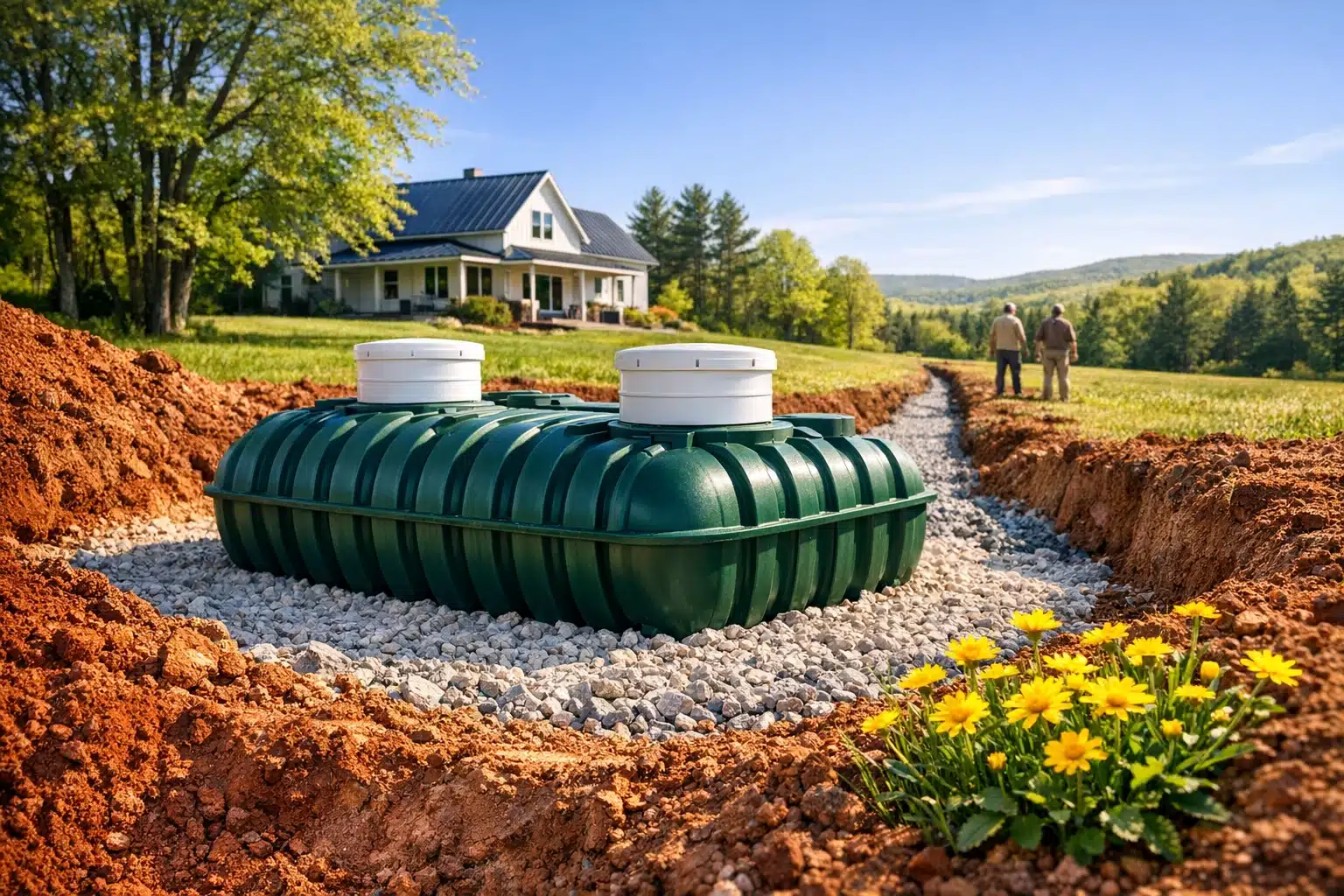
 Artificially generated image
 Plastic Septic Tanks: Buying Guide and Store Options
Outline and Introduction
Plastic septic tanks have moved from a niche option to a practical mainstream choice for homes, cabins, and small commercial sites that need dependable wastewater treatment. Their lighter weight, corrosion resistance, and flexible pricing attract buyers, but the right tank still depends on soil, daily flow, local code, and installer skill. This guide explains how plastic tanks work, how they compare with concrete and fiberglass, and what shoppers should check before choosing a store. A careful purchase starts long before the delivery truck arrives.
Before getting into the details, it helps to see the road map. This article is organized around five core questions that most buyers ask, even if they ask them in different ways. The outline is simple: what plastic septic tanks are and how they function; why people choose them and where they may fall short; how to size, install, and maintain them; which types of stores sell them; and how to compare offers without being distracted by a low sticker price. A septic tank is one of those products that hides underground yet shapes daily comfort above it. When it works well, nobody talks about it. When it is undersized, poorly installed, or bought from the wrong source, it suddenly becomes the most memorable item on the property.
Plastic septic tanks are usually made from polyethylene or similar engineered plastics formed into durable, watertight shells. In many residential applications, they serve as the first stage of on-site wastewater treatment, allowing solids to settle and scum to float while partially clarified effluent moves onward to the drain field or secondary treatment components. Buyers are often drawn to the material because it does not rust, it is easier to handle than concrete, and it can reduce transport and equipment costs. Still, a lighter tank also means site conditions matter more. In wet soils or high water table areas, proper anchoring and backfill become critical. That balance between convenience and responsibility sits at the center of nearly every good buying decision, and it is why understanding both the product and the stores that sell it is so important.
Outline at a glance: • tank design and function • material comparison and performance trade-offs • sizing, permits, installation, and maintenance • store categories and buying channels • practical advice for comparing quotes, delivery terms, and support.
What Plastic Septic Tanks Are and How They Work
A plastic septic tank is a watertight underground container designed to receive wastewater from toilets, sinks, showers, and appliances in properties that are not connected to a municipal sewer system. The tank does not magically “clean” water on its own, but it performs an essential first stage of treatment through separation and retention. Wastewater enters the tank, heavier solids sink to the bottom as sludge, oils and grease rise to the top as scum, and the liquid layer in between moves toward the outlet. From there, effluent typically flows to a drain field, leach field, mound system, or another approved treatment component, depending on the site design and local regulations.
Most plastic septic tanks sold for residential use are rotationally molded from polyethylene. This manufacturing process creates a seamless or near-seamless body that resists many of the corrosion issues associated with metal and some of the cracking concerns buyers fear in older rigid systems. Tanks come in single-compartment and multi-compartment designs, with the latter often preferred because they improve separation and reduce the amount of suspended solids reaching the soil treatment area. Capacity varies widely, but common residential models often fall in the range of several hundred to roughly 1,500 gallons or more, depending on household size, fixture count, and code requirements.
One of the biggest practical advantages of plastic is weight. A plastic tank may weigh only a small fraction of a concrete tank with similar capacity. That can simplify transport and placement, especially on rural lots with narrow access roads or soft ground. The trade-off is that the same low weight that makes the tank easy to move can make it vulnerable to shifting or flotation if installation is careless. In simple terms, a tank should not behave like a boat hiding under your yard. Proper bedding, backfill, and in some cases anchoring are part of the system, not afterthoughts.
Key features buyers should look for include: • inlet and outlet configuration suitable for the planned pipe layout • manway or riser access for inspection and pumping • structural rating for burial depth and any traffic loads above • baffles or tees that help keep solids inside the tank • documented compliance with local or recognized manufacturing standards. A well-made plastic tank is not just a big hollow box. It is a carefully shaped component in a treatment chain, and its performance depends on both sound design and disciplined installation.
Benefits, Limits, and How Plastic Compares with Concrete and Fiberglass
Plastic septic tanks are popular because they solve several practical problems at once. They are usually easier to transport, easier to maneuver into place, and resistant to corrosion from soil moisture and wastewater gases. For many buyers, especially owners of cabins, rural homes, workshops, and small rental properties, that combination is attractive because it can reduce equipment needs during installation. In locations where heavy machinery access is limited, the difference between a lighter tank and an extremely heavy one is not minor; it can determine whether a delivery turns into a straightforward placement or a complicated construction event.
Cost is another reason plastic tanks receive attention. Upfront pricing can be competitive, and labor savings may appear when transport and handling are simpler. However, “cheaper” is not always the same as “better value.” Buyers should compare the entire installed cost, including delivery distance, excavation, bedding material, anti-float measures, risers, local permit fees, and inspection requirements. A lower-priced tank that needs specialized site work can quickly lose its apparent advantage. Smart buyers look at the finished system rather than the tank alone.
Compared with concrete, plastic offers superior resistance to rust and many chemical effects, and it avoids the extreme weight of concrete units that often require cranes or larger lifting equipment. Concrete, on the other hand, is valued for mass and stability. In high water table areas, that weight can work in its favor. Concrete tanks are also often seen as robust in installations where the burial environment is demanding, though cracking, joint problems, and long-term deterioration can occur if manufacturing or installation quality is poor. The comparison is not about one material being universally superior; it is about site fit.
Fiberglass sits in an interesting middle ground. It is also corrosion-resistant and lighter than concrete, and some buyers consider it very durable. Yet fiberglass availability can be more limited in certain regions, and pricing varies. Plastic may be easier to source through common septic supply channels, while concrete remains dominant in many local markets due to long-standing contractor habits and distribution networks.
When comparing materials, buyers should think in categories: • transport and access • resistance to corrosion • flotation risk • local installer familiarity • approval under local code • lifetime serviceability. Plastic shines when low weight and corrosion resistance matter most, but it demands respect for groundwater conditions and installation detail. It is less a shortcut than a tool: excellent in the right hands, ordinary in the wrong ones, and disappointing only when people expect the material to compensate for poor planning.
Sizing, Installation, Maintenance, and Regulatory Checks
Choosing the right plastic septic tank starts with sizing, and sizing should never be treated as guesswork. Local health departments, environmental agencies, or building authorities usually set minimum tank capacities based on the number of bedrooms, expected daily flow, fixture count, or building use. A weekend cabin with modest water use may require a very different setup from a full-time family home or a small commercial property with frequent restroom demand. In some places, local code is strict enough that the “right size” is defined before a shopper ever steps into a store. That is good news, because it narrows the risk of buying a tank that looks affordable but cannot be legally installed.
Installation deserves equal attention. The tank must be placed on stable, properly prepared bedding, set at the right depth, aligned with inlet and outlet piping, and backfilled with the material recommended by the manufacturer and approved by local code. Over-excavation, poor compaction, sharp rocks, or water collecting around the excavation can cause stress, movement, or structural problems later. Because plastic tanks are lighter, they may require anchoring or special anti-flotation steps in saturated soil or high groundwater conditions. A homeowner may be tempted to focus on the tank’s listed volume, but the installation manual often tells the more important story.
Maintenance is where septic tanks quietly earn or lose their reputation. A plastic tank still needs routine inspection and pumping at intervals that depend on household size, water use, and solids loading. Skipping pumping can lead to solids entering the drain field, which is one of the fastest ways to turn a manageable maintenance cost into a far more expensive repair. Good maintenance habits include: • scheduling periodic inspections • pumping before sludge and scum levels become excessive • keeping records of service dates • avoiding flushing wipes, grease, and non-biodegradable items • watching for slow drains, odors, or wet areas near the treatment field.
Regulatory checks should happen early, not after purchase. Buyers should confirm setbacks from wells, property lines, water bodies, and structures. They should verify whether the tank model is approved locally, whether risers or effluent filters are required, and whether traffic-rated covers are needed in driveable areas. Some jurisdictions also require professional design or installer licensing. In other words, the purchase is not just a retail decision; it is a compliance decision. A properly sized and installed plastic tank can provide years of reliable service, but reliability usually begins with paperwork, site evaluation, and a contractor who reads the instructions instead of treating them as decorative literature.
Plastic Septic Tank Stores, Buying Strategies, and Final Advice for Homeowners
When people search for plastic septic tanks stores, they are often surprised by how many retail paths exist. The most specialized option is the local septic or wastewater supply dealer. These businesses usually understand regional code, typical soil conditions, common tank sizes, and which models installers in the area prefer. That local knowledge can be worth a great deal, especially when buyers need help matching a tank to approved fittings, risers, lids, filters, or distribution components. A specialized dealer may also coordinate delivery and provide practical guidance on unloading, storage before installation, and documentation needed for permitting.
Plumbing supply houses and farm or ranch stores can also carry plastic septic tanks in some regions, especially for rural properties, agricultural outbuildings, or replacement projects. Big-box home improvement chains occasionally list tanks or can special-order them, though availability often depends on local rules and freight logistics. Online sellers widen the field further. They may offer broader inventory, searchable specifications, and easier price comparison, but buyers should read carefully. The true delivered cost can change sharply once shipping distance, lift-gate service, inspection upon arrival, and return limitations are added. A low online price that excludes difficult delivery details may not be a bargain at all.
Here are useful questions to ask any store before buying: • Is this tank approved for my jurisdiction or will I need additional documentation? • What material, wall design, and burial depth rating does it have? • Are risers, lids, and inlet or outlet fittings included? • What backfill and installation methods does the manufacturer require? • Who handles freight damage claims or missing parts? • Can the store recommend licensed local installers familiar with this model?
Store quality matters as much as tank quality because after-sales support can save time and money. A good seller will explain lead times, unloading requirements, warranty terms, and what happens if the site is not ready on delivery day. A weak seller may focus only on volume and price, leaving the buyer to solve compatibility issues later. It is also wise to compare written quotes rather than verbal estimates. Written quotes make it easier to evaluate apples against apples: tank model, accessories, delivery scope, taxes, and return conditions.
For homeowners, cabin owners, rural builders, and property managers, the best buying approach is steady and unspectacular. Check local code first. Confirm site conditions second. Compare stores third. Then choose a tank that fits the design, not just the budget line. Plastic septic tanks can be an excellent solution when they are approved, correctly sized, and properly installed. The audience most likely to benefit is not the person chasing the fastest deal, but the one willing to ask a few more questions now in order to avoid a much bigger mess later.