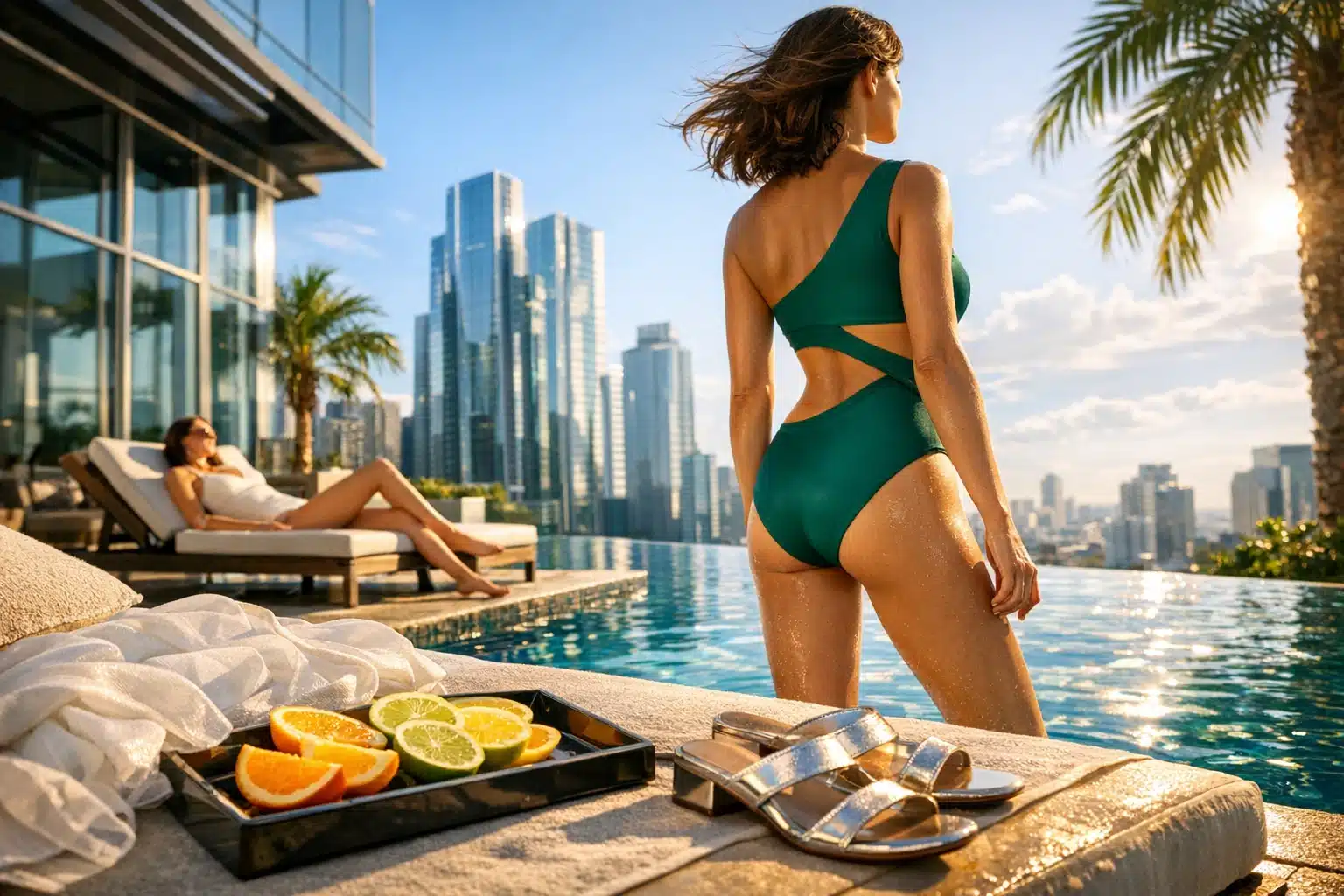
 Artificially generated image
 Bold and Stylish Bathing Suits for Women
Bathing suits do far more than cover the body at the beach or pool; they influence comfort, movement, confidence, and personal style in one glance. For women exploring classic cuts or more playful, naughty designs, the right suit can turn a routine swim day into a fashion moment. Understanding silhouettes, fabrics, support, and coverage helps shoppers choose pieces that look striking, feel secure, and suit the setting without guesswork.
Outline
- How bathing suits evolved from practical garments into fashion pieces with distinct purposes.
- What people usually mean by naughty bathing suits for women, and how those styles differ from standard swimwear.
- A comparison of major cuts, coverage levels, and design details that affect appearance and function.
- How to choose a suit based on fit, fabric, support, activity level, and destination.
- Final guidance for readers who want stylish, bold swimwear that feels comfortable and appropriate.
Understanding Bathing Suits: Function, Fashion, and Why the Category Matters
Bathing suits sit at an interesting crossroads between clothing and equipment. They are fashion items, certainly, but they also need to perform. A swimsuit has to survive sun, water, salt, chlorine, repeated stretching, and movement that would expose weaknesses in an ordinary outfit within minutes. That is why choosing one is more complex than choosing a casual top or a pair of shorts. Even the most daring design still depends on practical foundations such as fit, seam placement, lining, and fabric recovery.
Most modern bathing suits are made from blends that include nylon or polyester with elastane, also known as spandex. Nylon often feels smooth and soft, while polyester is usually praised for better resistance to chlorine and fading. Elastane gives the suit the flexibility needed to hug the body and return to shape after wear. These technical details matter because a suit that loses elasticity can sag, twist, or become uncomfortable. In other words, style begins with construction. The glamorous photo may catch your eye, but fabric behavior determines whether the suit will still look good after several swims.
Bathing suits also serve very different purposes depending on where and how they are worn. Someone swimming laps may want a secure one-piece with stable straps and full lining. A vacation shopper may prioritize tan lines, visual drama, and easy layering under a beach cover-up. Another buyer may want a suit for resort lounging, where the garment acts almost like part of an outfit. That variety is exactly why the category has grown so broad. Today, the market includes one-pieces, bikinis, tankinis, monokinis, high-waist sets, sporty separates, and fashion-forward cuts designed more for statement than speed.
A useful way to think about swimwear is to evaluate it through four lenses:
- Coverage: full, moderate, cheeky, or minimal
- Support: soft cups, underwire, shelf bra, adjustable straps, or compression fit
- Activity level: swimming, lounging, walking, beach sports, or pool parties
- Style message: timeless, sporty, elegant, playful, or boldly suggestive
The phrase bathing suits can sound simple, almost old-fashioned, yet it covers a surprisingly rich range of choices. From a modest black one-piece to a strappy cut-out number that practically winks at the sunlight, each suit communicates something different. That is why the topic remains relevant: shoppers are not just buying swimwear, they are choosing how they want to feel in public, on vacation, in photos, and in their own skin.
What “Naughty Bathing Suits for Women” Usually Means in Real Style Terms
The word naughty in swimwear does not have to mean explicit. In most fashion conversations, it refers to styles that are playful, daring, and intentionally attention-grabbing. These suits often reveal more skin than classic designs, but their appeal is not just exposure. The real draw is the balance between suggestion and structure. A naughty bathing suit for women might use cut-outs, high-cut legs, plunging necklines, side ties, thong or cheeky backs, lace-up fronts, mesh panels, or strappy details that frame the body in a dramatic way.
There is also an emotional side to these designs. Many women choose bolder swimwear not because they want shock value, but because they enjoy the sense of freedom and confidence that comes with a less conventional silhouette. A classic full-coverage swimsuit says, “I am here to swim.” A more provocative style can say, “I want to have fun with fashion today.” Neither message is better than the other. They simply serve different moods, settings, and comfort levels. That distinction matters because style advice becomes more useful when it respects personal preference rather than policing it.
Naughty swimwear usually stands out through a few recurring design choices:
- Strategic cut-outs around the waist, ribs, chest, or back
- Higher leg openings that visually lengthen the legs
- Cheekier rear coverage compared with standard bikini bottoms
- Deep V fronts or asymmetric necklines that create a sharper fashion effect
- Tie details, rings, hardware, or lattice construction that adds a flirtier edge
That said, bold does not always equal comfortable. A suit that looks exciting on a model may feel unstable during movement if the straps dig in, the bust lacks support, or the bottom shifts when wet. This is where careful shopping matters. A strong naughty swimsuit still needs sensible engineering. Adjustable straps, double lining, well-anchored elastic, and a shape that matches the wearer’s proportions can make the difference between confident and constantly fidgeting.
Another important point is context. A cheeky suit might feel perfect at a resort, adult pool, beach club, or private vacation rental, while a more conservative piece may be better for a family beach day, community pool, or active water sport. Swimwear is a little like language: the same sentence lands differently depending on where it is spoken. The most stylish choice is often the one that matches the setting while still feeling authentic to the person wearing it. That is what makes naughty bathing suits interesting. They are not merely revealing garments; they are expressive tools within the broader world of bathing suits.
Comparing Popular Bathing Suit Styles, Cuts, and Coverage Levels
Once shoppers move beyond color and print, the real comparison begins with shape. Different bathing suit styles create different visual effects, and those effects are influenced by torso length, bust support needs, hip proportions, and how much movement the wearer expects. There is no universal best style, but there are clear trade-offs. A bikini offers freedom, easy mixing and matching, and minimal tan lines, yet it may feel less secure during active swimming. A one-piece provides stability and often more support, though fashion versions can still be deeply cut, backless, or highly sculpted. Tankinis fall in the middle, giving some coverage with the practicality of a two-piece.
For women considering naughty bathing suits, the difference often comes down to where exposure is placed. Some suits show more leg through a high-cut opening. Others emphasize the waist with side cut-outs or draw attention upward through a plunging neckline. A cheeky bottom changes the rear view, while a thong-style bottom pushes the look much further toward suggestive territory. None of these options is inherently right or wrong, but each creates a distinct mood and level of practicality. A suit with dramatic side cut-outs may look unforgettable while standing poolside, yet it may not be the most secure choice for diving into waves.
Here is a practical comparison of common styles:
- Classic one-piece: stable, supportive, easy to wear, often the best for swimming and mixed-age settings
- Fashion one-piece with cut-outs: sleek and stylish, often more flattering than expected, but fit becomes more precise
- Triangle bikini: adjustable and minimal, though usually lighter on support for fuller busts
- Underwire bikini: better shaping and lift, often preferred for structure and longer wear
- High-waist bikini: vintage-inspired, waist-defining, and comfortable for many body types
- Cheeky or thong bottom: creates a bold look, usually chosen for tanning or fashion-focused environments
- Monokini: technically a one-piece, visually closer to a bikini, with strong statement appeal
Coverage also affects confidence in a surprisingly personal way. Some women feel empowered in a minimal suit because it feels intentional and modern. Others feel more attractive in a design that smooths the torso and stays firmly in place. The magic is not in how much fabric there is, but in how well the suit supports the wearer’s mood and movement. Fashion can be theatrical, but comfort is what keeps the performance going. A bathing suit that lets someone walk, sit, swim, and relax without constant adjustment will almost always outshine one that is dramatic only on the hanger.
How to Choose the Right Bathing Suit: Fit, Fabric, Support, and Occasion
Shopping for a bathing suit becomes much easier when the process starts with function instead of fantasy. It is tempting to buy the most striking design first and ask practical questions later, but swimwear rewards a smarter order. Begin by asking where the suit will be worn and what it needs to do. Is it for lap swimming, hotel pools, sunbathing, beach holidays, spa weekends, or social events by the water? A suit meant for motion should prioritize support and secure construction. A suit for lounging can lean harder into trend, texture, and playful detail.
Fit is the foundation. A good swimsuit should feel snug when dry because water usually loosens the fabric slightly. Straps should stay in place without carving into the skin. The bust area should feel anchored rather than decorative. The leg opening should not pinch or gape. Torso length matters as well; some women need long-torso options to avoid shoulder tension and upward pulling through the body. When trying on a one-piece, lifting the arms, sitting down, and turning sideways often reveals problems that a front-facing mirror misses.
Fabric quality deserves more attention than many shoppers give it. Better swimwear often features:
- Double lining for opacity and smoother structure
- Polyester blends for stronger chlorine resistance
- Elastic recovery that helps the suit keep its shape
- Flat seams or clean finishing to reduce rubbing
- UPF-rated material, with UPF 50 fabrics blocking around 98 percent of UV radiation where the fabric covers the skin
Support details vary widely and can transform the experience of wearing a suit. A shelf bra may be enough for light support, while underwire, molded cups, or wider straps may suit fuller busts better. Adjustable ties can help achieve a personalized fit, but overly thin strings may cut into the body during longer wear. In naughty bathing suits especially, design can sometimes overshadow support, so it is worth checking whether the structure matches the visual ambition.
Color and print play their own role. Dark solids can look sleek and refined, bright shades bring energy, and textured fabrics add depth without relying on loud patterns. Meanwhile, hardware, mesh, and strapping can make a suit feel more fashion-led. The goal is not to chase a rulebook. It is to find a suit that aligns with body comfort, destination, and personal taste. When those three elements meet, the swimsuit stops feeling like a compromise and starts feeling like a deliberate choice.
Final Thoughts for Women Choosing Bold, Stylish, or Playful Swimwear
If you are shopping for bathing suits, especially naughty bathing suits for women, the most helpful mindset is to think beyond labels. “Bold,” “cheeky,” “classic,” and “sporty” are useful style shortcuts, but they do not tell the full story of how a swimsuit will behave on a real body in a real setting. The better question is this: does the suit match your plans, your comfort level, and the version of yourself you want to bring to the beach or pool? A playful cut-out one-piece may be perfect for one woman’s holiday wardrobe, while another may feel best in a supportive bikini with a cleaner silhouette.
Confidence tends to grow from preparation rather than pressure. Knowing the difference between chlorine-resistant fabric and soft fashion fabric, between decorative strings and supportive straps, or between moderate and cheeky coverage gives shoppers far more control. That knowledge is valuable because swimwear can be emotional. It is worn in bright light, in public spaces, and often in moments that are photographed. A thoughtful purchase reduces stress and increases the odds that the suit will be worn often rather than hidden in a drawer after one try-on.
For many readers, the sweet spot lies somewhere between practical and expressive. You may want enough support to move comfortably, enough style to feel polished, and enough edge to keep the look fun. That is where modern swimwear really shines. It offers room for subtle elegance, retro charm, athletic function, and flirtier, naughty energy without forcing everyone into the same formula. The beach, after all, contains multitudes: lap swimmers, sun seekers, readers under umbrellas, and travelers chasing the perfect sunset photo.
When narrowing down your final options, keep this simple checklist in mind:
- Choose the setting first, then the style
- Prioritize fit before trend details
- Check support and lining, especially in bolder cuts
- Consider how the suit will feel when wet, not only when dry
- Pick a design that reflects your taste rather than someone else’s expectation
For women drawn to stylish swimwear with personality, the best bathing suit is the one that feels secure, intentional, and enjoyable to wear. Whether your preference is timeless or a little mischievous, a well-chosen suit lets you step into the water, onto the sand, or toward the lounge chair with ease. That is the real goal: not just being seen, but feeling like yourself while you are.