Mini Vibration Plate for Workouts: Features, Benefits, and Buying Tips
A mini vibration plate looks simple enough to slide under a desk or beside a sofa, yet it sits at the intersection of convenience, exercise science, and modern home fitness. For busy people who want movement without dedicating a room to gym gear, it offers a compact way to add variety to warm-ups, balance drills, and low-impact workouts. The real question is not whether it looks impressive, but how it performs in daily use.
1. What a Mini Vibration Plate Is, and the Outline of This Guide
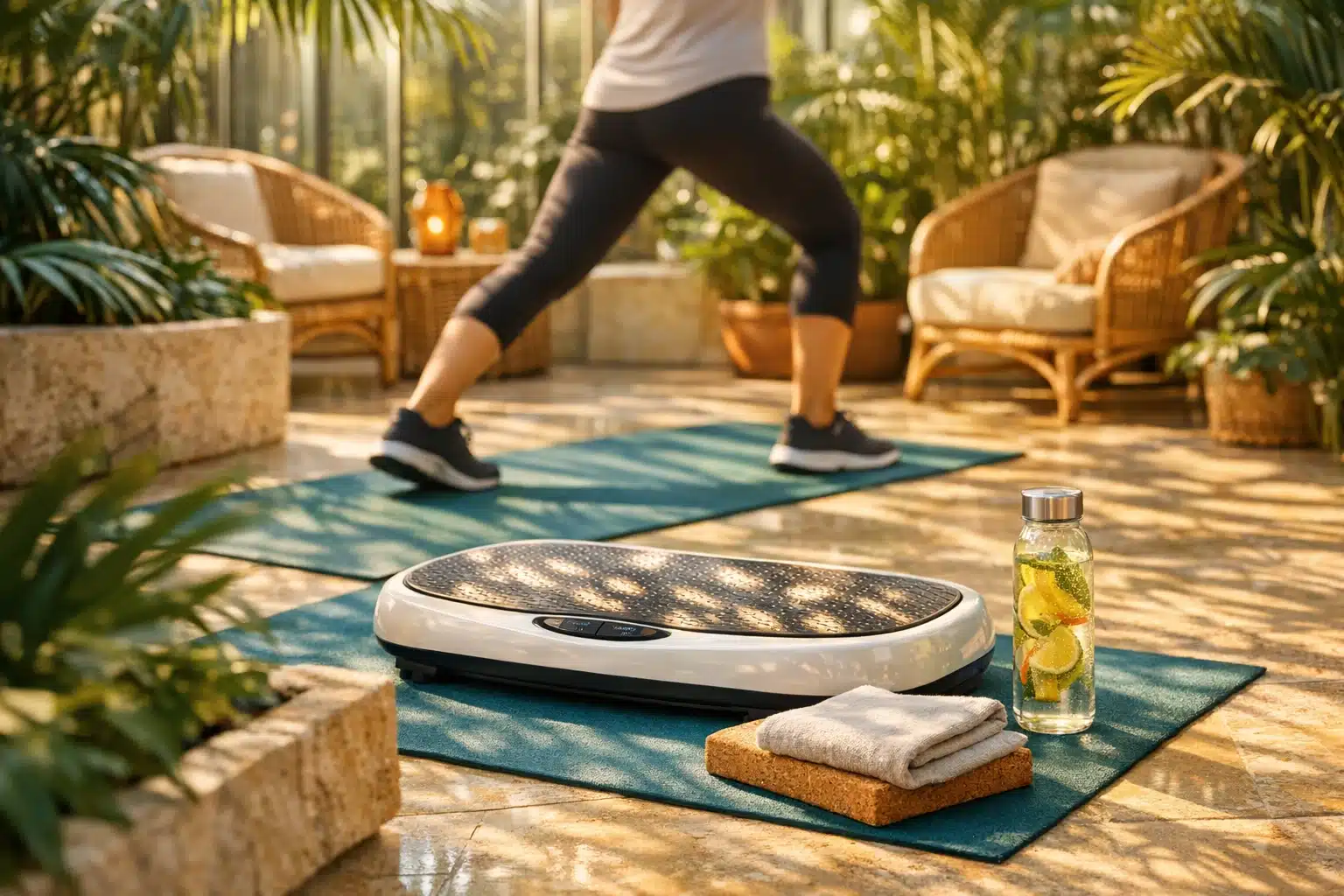
Before getting into specifications and shopping advice, it helps to define the product clearly. A mini vibration plate is a compact exercise platform that vibrates while you stand, squat, lunge, or perform other controlled movements on it. The idea behind the machine is straightforward: as the platform moves, your muscles respond with rapid, small contractions to help stabilize the body. This does not magically replace regular exercise, but it can add another training stimulus to a home routine, especially when space is tight and motivation depends on convenience.
To keep the discussion organized, here is the outline this article follows:
• what a mini vibration plate actually does
• which features matter in daily use
• what benefits are realistic and where the limits are
• how to use a vibration plate for workouts
• what to check before buying one
The “mini” part matters more than it first appears. These units are typically smaller and lighter than gym-style whole-body vibration machines. Many are designed to fit in apartments, home offices, or shared living rooms where a full treadmill or power rack would be impractical. A typical mini unit may weigh somewhere between 15 and 30 pounds, which means one person can usually move it without much trouble. That portability is one of its strongest selling points, because equipment that is easy to store is also more likely to be used consistently.
However, compact size brings trade-offs. A mini plate usually provides less platform area than a larger machine, so wide stances, dynamic jumps, or larger movement patterns can feel cramped. Some models are best suited to standing, calf raises, shallow squats, and upper-body positions like planks with the hands on the plate. Others are marketed as massage or recovery tools rather than serious workout devices, which makes it important to separate lifestyle branding from functional performance.
In practical terms, a mini vibration plate belongs somewhere between a recovery accessory and a light training tool. Think of it as a supporting actor rather than the heroic lead. It can make short home sessions more engaging, help break up sedentary periods, and complement balance or strength work. It becomes most useful when expectations are realistic, form stays controlled, and the machine is part of a broader fitness routine rather than the only piece of the puzzle.
2. Key Features That Matter When Choosing a Mini Vibration Plate
Shopping for a mini vibration plate can feel oddly confusing, because product pages often stack bold claims on top of vague numbers. The wiser approach is to focus on a handful of features that affect comfort, safety, durability, and workout usefulness. One of the first is vibration type. Some machines use oscillating motion, where the platform tilts side to side like a seesaw. Others use vertical or linear vibration, moving mostly up and down. Oscillating models are often chosen for balance work and gentler home use, while vertical vibration can feel more intense and is commonly associated with training-focused machines. Neither type is universally better; the better option depends on how you plan to use it.
Platform size is another major factor. A very small machine may fit almost anywhere, but if your feet barely fit on the surface, exercise options shrink quickly. For users who want to do more than simply stand still, a wider platform supports safer foot placement and more natural stances. Surface texture also matters. An anti-slip finish, stable rubber feet, and a platform that does not wobble on hard floors make a noticeable difference in confidence during use.
Motor strength and speed settings deserve careful reading. Many consumer models advertise dozens of “levels,” but those levels are not always the same as scientifically meaningful frequency measurements in hertz. In other words, a display showing 1 to 99 tells you there are many settings, not necessarily how intense the movement truly is. Useful machines usually allow low and moderate settings that beginners can tolerate, rather than forcing every session into an aggressive buzz. A quiet motor is also worth paying for, especially in apartments or early-morning households.
Other practical features often separate a useful plate from a short-lived impulse purchase:
• remote control or simple onboard buttons
• clear display for time and speed
• weight capacity that matches the user with a safety margin
• resistance bands if you want light upper-body work
• easy-to-clean surface and sturdy housing
• compact storage shape with handles or wheels, if offered
Finally, compare mini models with larger workout vibration plates before buying. Larger machines usually offer more stable positioning, better build quality, and broader exercise options, but they cost more and claim more floor space. Mini versions win on portability and convenience. If your goal is quick home sessions, warm-ups, or low-impact movement in a small living area, the smaller format often makes more sense. If you want a more serious platform for varied stance work and repeated long sessions, a larger unit may feel less restrictive over time.
3. Benefits, Limits, and What the Evidence Actually Suggests
The appeal of a vibration plate is easy to understand. Step on, feel the platform move, and suddenly even a basic stance seems more active. Yet good buying decisions depend on separating realistic benefits from exaggerated expectations. Research on whole-body vibration suggests that it may support muscle activation, balance training, flexibility work, and exercise adherence in some people, especially when used alongside conventional movement. That last phrase matters. A vibration plate can be useful, but it is not a shortcut that erases the need for strength training, walking, or sound nutrition.
One practical benefit is increased engagement during low-impact exercise. A shallow squat, calf raise, or split stance on a moving platform can feel more demanding than the same drill on a stable floor. That can make short sessions feel productive for beginners, older adults who need gentler exercise options, or office workers trying to interrupt long periods of sitting. Some users also enjoy the sensation for cooldowns and mobility work, particularly after standing for long hours or after lighter training days.
Balance and coordination are another reason people choose these machines. Because the body has to react to constant movement under the feet, the stabilizing muscles of the legs and trunk are challenged. This is one reason vibration platforms appear in some rehabilitation-adjacent settings, though medical use should always be guided by a qualified professional. For home users, the more grounded takeaway is simple: controlled positions on a plate can add variety to balance drills.
Still, the limitations are just as important as the advantages. Reviews of the broader whole-body vibration research often report modest gains rather than dramatic transformations. Standing on a plate for ten minutes does not produce the same cardiovascular training effect as brisk walking, cycling, or interval work. It also does not replace progressive strength training with sufficient resistance. Calorie burn is typically overhyped in marketing, and weight loss depends much more on total activity, diet, sleep, and long-term habits than on one machine.
Here is a grounded way to think about the benefits:
• useful for adding novelty to home workouts
• helpful for short balance and lower-body sessions
• potentially supportive for flexibility and warm-ups
• convenient for people who prefer low-impact movement
• limited as a stand-alone fat-loss or muscle-building solution
That honest middle ground is where vibration plates make the most sense. They are not nonsense, and they are not miracle devices either. Used well, they can be a compact, engaging tool that nudges people toward more movement. Used with unrealistic hopes, they become expensive furniture with a power cord.
4. How to Use a Vibration Plate for Workouts Without Turning It Into a Gimmick
The simplest mistake new owners make is treating the machine as if merely standing on it guarantees a full workout. A better approach is to use the platform as a training surface, much like you would use a step bench, mat, or resistance band. The vibration becomes an added challenge layered onto familiar movements. This is where mini vibration plates can genuinely shine, because they fit naturally into short home sessions that are easy to repeat.
For beginners, the smartest starting point is calm and controlled. Stand with soft knees rather than locking the legs. Keep posture tall, brace the midsection lightly, and start on a low setting for short intervals. From there, progress to basic lower-body exercises such as quarter squats, calf raises, split-stance holds, or glute bridge variations with the feet on the platform. Many mini units also allow upper-body positions, including elevated planks, mountain climber holds, or push-up support for users who are already comfortable with those movements.
A sample mini-plate workout might look like this:
• 1 minute relaxed standing stance to get used to the motion
• 45 seconds quarter squat hold
• 45 seconds calf raises
• 45 seconds split stance on the right leg
• 45 seconds split stance on the left leg
• 30 to 45 seconds elevated plank
• 1 minute rest
Repeat for 2 to 3 rounds, keeping the setting moderate and the movement controlled.
You can also use the machine in a broader home program. For example, five minutes on the plate can work well as part of a warm-up before bodyweight training, dumbbell work, or a walking session outside. In that role, it is not the whole workout but a useful primer. Some users also enjoy using it after a long desk session, when the body feels stiff and underused. The plate becomes a bridge between inactivity and movement, which may be one of its most practical benefits in modern life.
Comparison helps here. If your goal is cardio fitness, a vibration plate will not replace walking, jogging, rowing, or cycling. If your goal is serious strength development, it will not replace progressive overload with weights or challenging bodyweight training. But if your goal is to make short sessions more engaging, to add balance demands, or to create a low-barrier movement habit at home, it can earn its place. Picture it as the espresso shot in your routine: small, potent, and most effective when it supports something larger.
To use it safely, avoid very high settings until you understand how your body responds. Wear supportive shoes if the plate feels too intense barefoot, and stop if you experience dizziness, pain, or unusual discomfort. The best workout is not the one that looks dramatic on a product video; it is the one you can repeat with good form next week.
5. Buying Tips, Safety Checks, and Who Will Get the Most Value
A mini vibration plate is easiest to appreciate when it fits both your space and your habits. Before buying, start with a simple question: where will this machine live, and how often will I realistically use it? If the answer is “under the bed, probably,” you need a very portable model. If the answer is “in the corner of my home office for daily movement breaks,” then quiet operation and easy controls may matter more than flashy extras. Convenience is not a minor detail here; it is often the difference between regular use and forgotten equipment.
Budget matters too, but price should be interpreted carefully. Extremely cheap models may still be fine for occasional standing sessions, yet they often cut corners in stability, motor smoothness, and noise control. Mid-range machines usually offer a better balance of usable features and build quality. A smart buyer checks the basics first: platform grip, sturdy feet, clear controls, warranty terms, and realistic user reviews that mention long-term use instead of only first impressions. Reviews that discuss noise, durability, and customer support are often more valuable than reviews saying the machine “looks nice.”
It is also worth matching the machine to the user:
• apartment dwellers usually benefit from compact, quieter units
• beginners often need simple controls and lower starting intensity
• older adults may prioritize stability and easy entry onto the platform
• experienced exercisers may want stronger build quality and more varied settings
• people with very limited space may value vertical storage or a carry handle
Safety deserves a clear place in the conversation. People who are pregnant, have a pacemaker or certain implanted medical devices, have recent fractures or surgery, or have significant cardiovascular, neurological, or balance concerns should consult a qualified healthcare professional before using a vibration plate. Even for healthy users, the sensible rule is to begin with short sessions and conservative settings. More intensity is not always better, especially when the body is still learning the movement.
So who gets the most value from a mini vibration plate? Usually it is the person who wants a compact tool for light home workouts, brief movement breaks, balance work, or warm-ups. It is less ideal for someone expecting one machine to replace a complete gym setup. In buying terms, the best choice is rarely the one with the loudest promises. It is the one that matches your living space, training level, and willingness to use it three or four times a week in ordinary life. Fitness equipment succeeds not when it dazzles on day one, but when it quietly proves useful on day forty.
Conclusion for Home Fitness Shoppers
If you want a small, low-impact tool that can make home workouts more interesting, a mini vibration plate can be a practical addition. It works best for people who value convenience, short sessions, and movement variety rather than dramatic claims about instant transformation. Look for solid construction, a stable platform, manageable settings, and a design that fits your room and routine. In the end, the right machine is the one that encourages steady use, complements real exercise habits, and earns its spot in your home instead of collecting dust.